You Won’t Believe These Hidden Architectural Gems in Jasper
Nestled in the heart of the Canadian Rockies, Jasper isn’t just about glaciers and wildlife—its architecture tells a story too. From rustic mountain lodges to unexpected modern designs, the town blends function and beauty in ways most travelers overlook. I was blown away by how much character lives in its buildings. This guide shares the real gems, where to find them, and why they’re worth your time—no exaggeration, just honest discoveries. Whether you’re drawn to the warmth of hand-hewn logs or the clean lines of contemporary eco-homes, Jasper’s built environment reveals a deep respect for nature, history, and craftsmanship. Let’s step beyond the trailheads and explore the soul of this alpine town through its structures.
The Spirit of Mountain Design
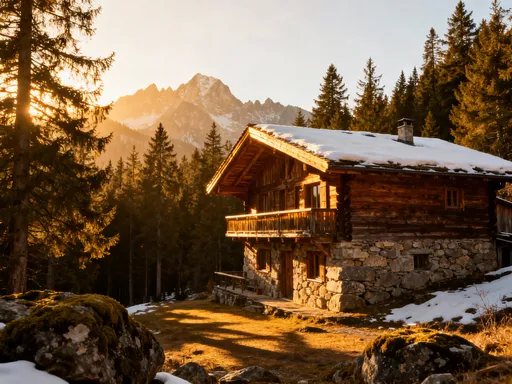
Jasper’s architecture is not merely shelter from the elements—it is a response to them. Built at nearly 1,000 meters above sea level and surrounded by towering peaks, the town’s buildings are shaped by snow loads, fierce winds, and long winters. This has given rise to a distinct design language known as "mountain modern," where practicality meets aesthetic grace. Steeply pitched roofs allow heavy snow to slide off naturally, preventing structural strain. Thick wooden beams and stone foundations anchor structures against the cold, while large overhanging eaves protect walls and windows from drifting snow and intense alpine sun.
What sets Jasper apart is how its architectural philosophy embraces the landscape rather than competes with it. Materials are sourced locally whenever possible: Douglas fir, lodgepole pine, and native stone dominate both exteriors and interiors. These natural elements age gracefully, blending into the forested backdrop over time. The use of warm-toned wood and earthy stone creates a sense of continuity between indoors and out, making even large buildings feel intimate and grounded. This harmony is not accidental—it is guided by municipal planning policies that prioritize visual compatibility with the natural environment.
Local building codes in Jasper are designed to preserve this balance. Height restrictions, setback requirements, and material guidelines ensure that new construction complements rather than disrupts the town’s character. For example, developers must avoid bright or reflective materials that could clash with the muted palette of the Rockies. Even roof angles are often regulated to maintain a cohesive streetscape. These rules do not stifle creativity; instead, they challenge architects to innovate within constraints, resulting in thoughtful, context-sensitive designs that honor both tradition and sustainability.
One of the most compelling aspects of mountain design in Jasper is its evolution. While early structures were purely utilitarian—built for survival—today’s homes and public spaces reflect a deeper understanding of comfort, light, and connection to place. Large south-facing windows capture winter sunlight, reducing heating needs while offering panoramic views. Open floor plans encourage family gathering, echoing the communal spirit of mountain life. The result is architecture that does more than protect—it uplifts.
Jasper’s Historic Core: Where Charm Meets Resilience
Walking through downtown Jasper feels like stepping into a living museum of mountain heritage. The town’s historic core, centered along Patricia Street and Connaught Avenue, is a testament to resilience and continuity. Though Jasper was officially established as a railway town in the early 20th century, much of its current architecture dates from the rebuilding period after the devastating fire of 1910—not 1904, as some sources mistakenly claim. That fire destroyed nearly all wooden structures in the settlement, prompting a reconstruction effort that would define the town’s architectural identity for generations.
The rebuilt town embraced a consistent style: one that combined functionality with frontier charm. Buildings were constructed with fire-resistant materials where possible, yet retained the warmth of log and timber framing. Wide eaves, gabled roofs, and exposed beams became signature features. Many structures incorporated log accents around doors and windows, giving them a handcrafted appearance even when built with modern techniques. This stylistic consistency was not mandated by law at first but emerged organically as builders and residents shared a common vision for what a mountain town should look like.
Today, visitors can still see century-old cabins repurposed as boutiques, cafes, and gift shops. One notable example is the former Canadian National Railway telegraph office, now a small heritage museum. Its original log walls and steep roof remain intact, offering a glimpse into early 20th-century infrastructure. Another is the Old Post Office building, which retains its timber frame and rustic doorways while housing a modern retail space inside. These adaptive reuse projects demonstrate how Jasper honors its past without freezing it in time.
What makes the historic core so endearing is not just the architecture itself, but the way it supports community life. Sidewalks are wide enough for strollers and winter boots, and building entrances are designed to be welcoming year-round. Flower boxes bloom in summer, and snow-dusted rooftops create a storybook scene in winter. There’s a rhythm to the streetscape—each building slightly different, yet all contributing to a unified whole. This balance of individuality and cohesion is rare in modern towns, and it’s one of Jasper’s quiet triumphs.
The Fairmont Jasper Park Lodge – Iconic by Design
No discussion of Jasper’s architecture would be complete without mentioning the Fairmont Jasper Park Lodge, a crown jewel of alpine resort design. Opened in 1922 as part of the Canadian National Railway’s push to develop luxury travel in the Rockies, the lodge was conceived not just as a hotel, but as an experience. Its sprawling layout—comprising over 400 guest cabins scattered across 700 acres of forest and shoreline—was carefully planned to minimize visual impact while maximizing immersion in nature. Each cabin is positioned to preserve sightlines to Lac Beauvert or the surrounding pine forest, ensuring privacy and tranquility.
The lodge’s main building is a masterpiece of rustic grandeur. Constructed with massive logs and fieldstone, it features soaring ceilings, stone fireplaces, and hand-carved wooden details throughout. The great hall, with its towering windows and central hearth, serves as the social heart of the property. Here, guests gather after a day of hiking or skiing, drawn by the warmth and scale of the space. The design philosophy is clear: luxury here is not about opulence, but about authenticity and connection. The materials are raw, the lines are simple, and the atmosphere is one of refined comfort.
What truly sets the Fairmont apart is its commitment to integration with the landscape. Unlike many modern resorts that dominate their surroundings, the lodge recedes into the forest. Roofs are covered with local stone and dark wood shingles, helping them blend with the terrain. Pathways wind naturally between cabins, following the contours of the land rather than imposing straight lines. Even the lighting is subdued, using warm-toned fixtures that don’t disrupt the night sky. This sensitivity to place has made the lodge a benchmark for sustainable resort architecture in protected environments.
The lodge’s historical significance extends beyond design. It played a key role in shaping Jasper’s identity as a destination for both adventure and relaxation. Over the decades, it has welcomed dignitaries, artists, and families seeking a retreat from urban life. Its enduring popularity is a testament to the timelessness of its architecture—structures that feel both grand and humble, luxurious and grounded. For many visitors, a stay at the Fairmont is not just a vacation, but a return to a simpler, more intentional way of living.
Hidden Modern Marvels Off the Beaten Path
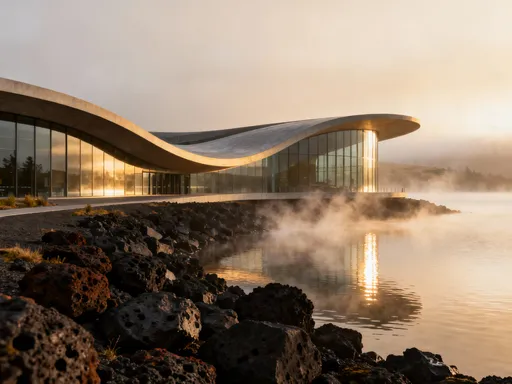
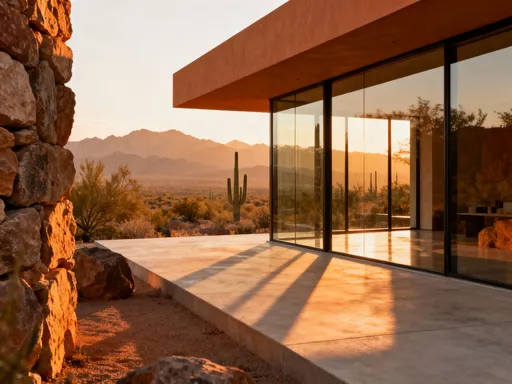
Beyond the well-trodden paths of downtown and the lodge, Jasper harbors a quieter revolution in architecture. Scattered along forested lanes and tucked into creek-side clearings are contemporary homes and community buildings that challenge traditional notions of mountain design. These structures embrace glass, steel, and green roofs, yet remain deeply rooted in the principles of sustainability and context. They are not flashy statements, but thoughtful responses to the land—modern in form, yet respectful of tradition.
One such example is a privately owned guesthouse on the edge of town, designed by a local architect known for his low-impact approach. The home features floor-to-ceiling glass on its southern façade, capturing sunlight for passive heating while framing a breathtaking view of the surrounding peaks. The roof is partially vegetated, helping it blend into the hillside and providing natural insulation. Exposed steel beams support the structure, contrasting with warm cedar paneling inside. Despite its modern aesthetic, the house feels at home in the forest—its scale modest, its materials honest.
Another hidden gem is the Jasper Community Cultural Centre, a public building completed in the early 2010s. Designed with input from local residents, it combines timber framing with energy-efficient systems like geothermal heating and solar panels. The interior is flooded with natural light, thanks to a clerestory window system that runs the length of the main hall. The building hosts art exhibitions, workshops, and community meetings, serving as both a functional space and a symbol of local pride. Its success lies in its ability to feel both modern and welcoming—a rare balance in public architecture.
These contemporary designs are not about rejecting the past, but reinterpreting it. Architects in Jasper today are asking: How can we build for the future without losing the soul of the place? The answer often lies in hybrid approaches—using traditional materials in new ways, or incorporating cutting-edge technology to reduce environmental impact. A growing number of homes feature triple-glazed windows, rainwater harvesting systems, and high-efficiency wood stoves, proving that sustainability and beauty can coexist. These innovations are rarely advertised; they are discovered slowly, through quiet observation.
How Architecture Enhances Your Travel Experience
Most travelers come to Jasper for the trails, the lakes, and the wildlife—and rightly so. But those who take a moment to notice the buildings often find their experience deepened in unexpected ways. Architecture, after all, is more than walls and roofs; it is the stage upon which daily life unfolds. The warmth of a log cabin lobby, the sound of boots scraping snow on a timber welcome mat, the way morning light spills across a handcrafted dining table—these sensory details shape our emotional connection to a place.
Consider the simple pleasure of entering a mountain café with exposed beams and a stone hearth. The space feels grounded, inviting. You might not analyze the ceiling trusses or the type of wood used, but you feel their effect—a sense of shelter, of continuity with the past. Similarly, sitting in a modern glass-walled studio overlooking a snow-covered meadow can evoke awe and serenity. The architecture frames the view, but it also shapes your mood. These experiences are not incidental; they are by design.
Appreciating architecture doesn’t require expertise. Start by slowing down. Notice the materials—do you see rough-hewn logs, smooth stone, or sleek metal? Observe the roofline—does it slope sharply to shed snow, or stretch flat to catch the sun? Look at the windows—how do they frame the landscape? Even small details matter: the style of door handles, the pattern of wood grain, the way light moves through a room at different times of day. These elements tell stories about climate, culture, and values.
For families traveling with children, architecture can become a game: Who can spot the most interesting roof? What building looks like it belongs in a fairy tale? This kind of engagement transforms a casual stroll into a shared discovery. It also fosters respect—when you begin to see the care and thought behind each structure, you’re less likely to treat the town as just a backdrop for photos. Architecture becomes part of the journey, not just the setting.
Best Spots to Photograph Jasper’s Architectural Soul
For photographers, Jasper offers countless opportunities to capture the interplay between design and nature. The key is timing and perspective. Early morning and late afternoon—the golden hours—bring soft, warm light that enhances wood textures and makes stone glow. Fog rolling through the valley can add mystery to a lakeside chapel, while fresh snow highlights the clean lines of a modern home.
One of the most photogenic locations is the Our Lady of the Snows Catholic Church, situated just off Connaught Drive. Its steeply pitched roof and bell tower rise like a sentinel against the mountains. Photograph it at sunrise, when the first light hits the steeple, or after a snowfall, when the roof is blanketed in white. The contrast between the red doors and the winter landscape creates a striking image. Be respectful of services and private events, and avoid using tripods in narrow walkways.
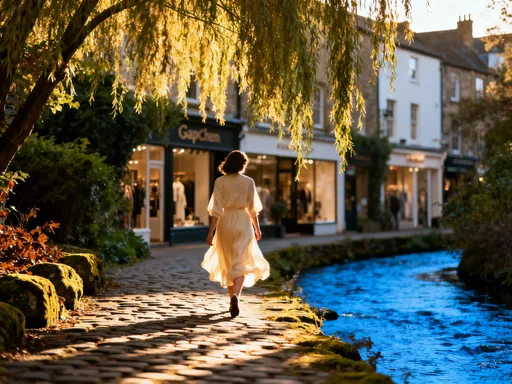
Downtown Jasper is another ideal spot. Walk along Patricia Street in the late afternoon, when the sun slants across the timber-framed shops. Focus on details: a carved bear motif above a door, frost patterns on a windowpane, or a flower box overflowing with purple blooms. The mix of old and new—historic cabins next to thoughtfully designed modern buildings—tells the story of a town in gentle evolution.
For a more secluded shot, head to the shores of Lac Beauvert near the Fairmont Lodge. From the walking path, you can capture the reflection of the cabins in the still water, especially on calm mornings. Include the surrounding pines and mist for a dreamlike effect. Another unique perspective is the old railway cars parked near the station—some restored, others left as nostalgic relics. Their weathered steel and rounded forms contrast beautifully with the sharp angles of newer buildings nearby.
When photographing architecture, remember to be mindful of private property. Many homes, even those visible from public roads, are private residences. Avoid entering driveways or using drones without permission. Instead, focus on publicly accessible buildings and streetscapes. Your goal is not just a great photo, but a respectful one—one that honors the community and its built heritage.
Responsible Exploration: Respecting Design and Nature
As interest in Jasper’s architecture grows, so does the responsibility to protect it. These buildings are not museum pieces; they are lived-in spaces, part of a dynamic and protected environment. The town lies within Jasper National Park, a UNESCO World Heritage Site, where development is tightly regulated to preserve ecological and cultural integrity. Visitors play a crucial role in upholding these values through mindful behavior.
One of the simplest ways to show respect is by supporting locally designed accommodations and businesses. Choose to stay in family-run lodges or cabins built with regional materials. Dine at restaurants housed in restored historic buildings. Purchase crafts from local artisans who use traditional techniques. These choices sustain the very character that draws people to Jasper. They also ensure that economic benefits stay within the community, encouraging continued investment in thoughtful design.
Another important practice is to avoid trespassing. While it’s tempting to get closer to an intriguing home or studio, remember that these are private properties. Appreciate them from public sidewalks, trails, or viewpoints. Do not enter fenced areas or disturb landscaping. If you’re leading a tour or workshop, emphasize these guidelines to participants. Responsible tourism is not about restriction—it’s about reverence.
Finally, recognize that every building in Jasper exists in dialogue with the natural world. The logs were once trees, the stone was quarried from nearby slopes, the design responds to wind and snow. To admire the architecture is to acknowledge this connection. Carry that awareness with you—not just in Jasper, but in all the places you visit. When we build with respect, and travel with care, we help preserve beauty for generations to come.
Jasper’s buildings are more than structures—they are quiet storytellers. They speak of resilience in the face of fire and frost, of innovation within tradition, of harmony between human hands and wild landscapes. They remind us that even in the most breathtaking natural settings, the places we build reflect who we are. So the next time you visit, look beyond the mountains and lakes. Pause at a doorway, trace the line of a roof, feel the grain of a wooden beam. In these details, you’ll find the soul of Jasper—crafted, enduring, and deeply alive.