You Won’t Believe Mombasa’s Cityscape—This Is Next-Level Urban Magic
Mombasa’s cityscape is a vibrant fusion of ocean, history, and culture that hits you the second you step off the plane. Sunlight glints off coral stone buildings, minarets rise beside modern markets, and the Indian Ocean wraps around the city like a postcard come to life. I’ve seen many coastal cities, but nothing prepared me for this sensory rush—colorful tuk-tuks zipping past ancient alleys, fishermen unloading their catch at dawn, and skyline views that blend tradition and modernity in the most unexpected ways. It’s a place where time seems to fold in on itself: centuries-old doors open to bustling smartphone-filled cafes, and the call to prayer echoes over seaside promenades lined with joggers and families. This is not just a tropical escape; it’s an urban tapestry woven from tides, trade routes, and resilience. Mombasa doesn’t simply exist by the sea—it dances with it, breathes with it, and builds upon it in ways that redefine what a coastal African city can be.
First Impressions: Where the Ocean Meets the City
Arriving in Mombasa, whether by air or sea, sets the tone for the city’s distinctive rhythm. From the window of a descending plane at Moi International Airport, the first sight is a sweeping coastline where turquoise waters meet golden shores, with clusters of buildings nestled along the shorelines. Unlike inland capitals, Mombasa announces itself through water—its geography dictates its form. The city sprawls across Mombasa Island and stretches into surrounding mainland areas, connected by bridges and ferries that pulse with daily life. As travelers exit the airport, the shift becomes palpable: the humidity wraps around you, the scent of salt and spices lingers in the air, and the distant hum of traffic blends with seagull cries.
The contrast between serenity and energy defines Mombasa’s entrance experience. One moment, you're gazing at calm ocean vistas; the next, you're navigating roads alive with matatus—colorfully painted minibuses—and motorbikes weaving through intersections. Yet this dynamism never feels overwhelming. Instead, it carries a kind of organized vitality, a testament to a city that has long served as a crossroads of cultures and commerce. The skyline, though not dominated by skyscrapers like Nairobi’s, reveals a layered silhouette: colonial-era structures stand shoulder-to-shoulder with modern shopping complexes, while minarets and church spires punctuate the horizon.
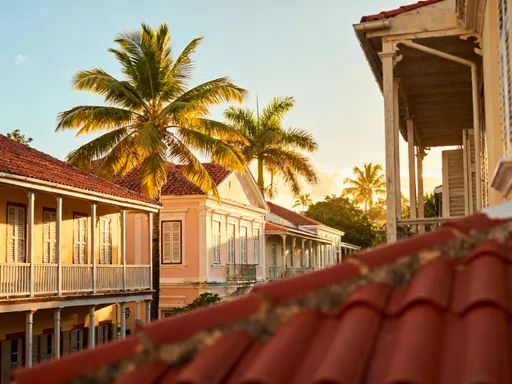
Architecturally, Mombasa presents a rare harmony of styles. Swahili coastal design, characterized by thick coral rag walls, arched doorways, and inner courtyards, coexists with British colonial buildings featuring wide verandas and red-tiled roofs. In newer developments, glass-fronted offices and gated residential compounds reflect contemporary tastes without erasing the city’s tropical identity. What makes this blend so compelling is its authenticity—it wasn’t curated for tourism but evolved organically over centuries of migration, trade, and adaptation. The city doesn’t hide its complexity; it celebrates it in every painted shutter, every hand-carved lintel, every open-air market where generations barter beneath shaded awnings.
This fusion creates a cityscape unmatched in East Africa. While cities like Dar es Salaam or Kampala have grown rapidly, few balance historical depth with modern function as seamlessly as Mombasa. Here, the ocean isn’t a distant amenity—it’s central to how people live, work, and move. Waterfront roads curve around inlets, neighborhoods rise along tidal creeks, and entire districts shift their pace with the rhythm of the tides. For visitors, this means the city reveals itself gradually, not all at once. Each turn down a side street, each ferry crossing, offers a new perspective on how land and sea shape urban life.
The Heartbeat of the City: Old Town’s Timeless Charm
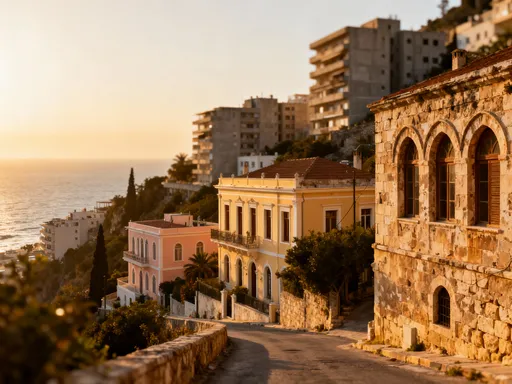
If Mombasa has a soul, it resides in its Old Town—a labyrinth of narrow alleys, weathered stone facades, and centuries-old homes that whisper stories of sultans, traders, and seafarers. Walking through this district is like stepping into a living museum, where history isn’t preserved behind glass but lived in real time. Houses built from coral stone, some over 200 years old, line winding streets too narrow for cars. Their facades feature intricately carved wooden doors, often with brass studs arranged in symbolic patterns—some said to ward off evil, others to display the owner’s wealth and status. These doors are more than entrances; they are works of art, each telling a silent story.
The architectural style here reflects a confluence of influences: Omani Arab, Persian, Indian, and Portuguese, all layered over indigenous Swahili traditions. Overhanging balconies, known as barazas, extend from upper floors, providing shaded seating where elders gather to chat over cups of chai. Courtyards, cooled by cross breezes, serve as private sanctuaries in the heat. Buildings are painted in soft ochres, faded blues, and warm whites, colors that harmonize with the sun-baked environment. Despite the wear of time and salt air, there’s a dignity in their weathering—these structures have endured monsoon rains, shifting political powers, and waves of modernization, yet remain standing with quiet resilience.
Daily life in Old Town unfolds at a human scale. Spice vendors display pyramids of cumin, turmeric, and cloves—remnants of Mombasa’s role in the Indian Ocean trade. Small shops sell handwoven baskets, kikois (colorful cotton wraps), and locally made soaps infused with coconut and lemongrass. Children play soccer in open courtyards, while artisans carve furniture or repair fishing nets with practiced hands. The air carries the scent of grilled maize, incense, and sea spray. It’s a place where commerce, culture, and community are inseparable.
What makes Old Town the soul of Mombasa’s cityscape is not just its beauty, but its continuity. Unlike reconstructed heritage zones in other cities, this district is not a tourist facade. Residents live here, raise families, run businesses, and maintain traditions passed down for generations. The call to prayer from nearby mosques blends with the chatter of market vendors, creating a soundscape that is both sacred and secular. This authenticity gives the area its emotional weight—it feels real, unfiltered, and deeply rooted. For photographers, historians, and travelers seeking connection, Old Town offers a rare glimpse into urban life that honors the past without being trapped by it.
Modern Mombasa: Skyscrapers, Bridges, and Urban Growth
Beyond the historic core, Mombasa’s skyline tells a different chapter of its story—one of growth, ambition, and adaptation. Neighborhoods like Nyali, Bamburi, and Shanzu represent the city’s modern face, where high-rise apartments, shopping malls, and business centers rise along the northern coast. These areas, developed primarily in the past three decades, cater to both local professionals and international visitors. Glass-fronted hotels overlook white-sand beaches, while gated communities offer secure, tree-lined streets with access to private beaches and recreational facilities. This transformation hasn’t erased the city’s character; instead, it has expanded its possibilities.
One of the most visible symbols of this evolution is the Nyali Bridge, a sweeping structure that connects Mombasa Island to the mainland. Originally built in the 1970s and later expanded, it stands as both a practical necessity and a landmark. At sunset, its silhouette against the ocean creates one of the city’s most photographed views. The bridge is more than steel and concrete—it’s a lifeline, carrying thousands of commuters daily and enabling economic integration between island and mainland. Its presence has spurred development on both sides, with new roads, retail hubs, and residential zones emerging in its wake.
In Nyali, the urban landscape shifts toward a more cosmopolitan rhythm. Shopping centers like Nyali Mall and Fusion Lifestyle Mall offer everything from international fashion brands to gourmet groceries. Rooftop restaurants serve seafood with ocean views, while fitness centers and co-working spaces cater to a growing middle class. High-rise apartment buildings, many with sea-facing balconies, reflect changing lifestyles and rising demand for modern housing. Yet even here, the tropical environment shapes design—buildings incorporate open-air lobbies, shaded terraces, and natural ventilation to combat the heat.
This growth hasn’t come without challenges. Traffic congestion, waste management, and housing affordability remain pressing issues. However, city planners and developers are increasingly adopting sustainable practices—green building standards, solar energy integration, and improved public transport routes are slowly gaining traction. The Likoni Ferry corridor, though often congested, remains a vital link for lower-income commuters, underscoring the city’s layered social fabric. Mombasa’s modernization is not uniform, nor should it be; its strength lies in its diversity of experiences, from luxury estates to vibrant informal markets.
What’s remarkable is how these newer areas maintain a dialogue with the sea. Coastal roads are lined with palm trees and pedestrian pathways, encouraging walking and cycling. Public beaches, though limited, are being revitalized with cleaner access and better amenities. Urban parks and green spaces, though still insufficient, are expanding. Mombasa’s development doesn’t turn its back on nature; it seeks to coexist with it—a balance that many rapidly growing cities struggle to achieve.
Water as a Central Design Element
In Mombasa, water is not just a scenic backdrop—it is a foundational element of urban design. The city is surrounded by the Indian Ocean on three sides and crisscrossed by tidal creeks, mangrove channels, and estuaries. These waterways aren’t merely geographical features; they shape how the city is built, how people move, and how life unfolds. Coastal roads like Nyerere Road and Digo Road run parallel to the shore, offering uninterrupted sea views and serving as vital arteries for transport and recreation. Waterfront promenades in Nyali and Tudor Creek have become popular spots for evening strolls, exercise, and family gatherings, especially as temperatures cool after sunset.
The integration of water into daily life is evident in the city’s transportation network. The Likoni Ferry, operating between Mombasa Island and the south coast, carries vehicles and pedestrians across the channel, linking communities that would otherwise face long detours. Though delays and crowding are common, the ferry remains a symbol of connection—its horn echoing across the water, its lights glowing at night like floating lanterns. Similarly, traditional dhow boats still ply the coastline, used for fishing, transport, and increasingly, tourism. Watching these lateen-rigged vessels glide across the horizon at dusk is a reminder of Mombasa’s enduring maritime heritage.
Urban planning in Mombasa has long had to contend with tides, erosion, and flooding. Buildings near the shore are often elevated, and drainage systems are designed to handle seasonal rains. Mangrove conservation efforts have gained momentum in recent years, recognizing the ecological importance of these natural buffers. In areas like Kizingo and Mwakirunge, restoration projects are protecting vital habitats while also reducing flood risks for nearby neighborhoods. This growing awareness reflects a shift toward resilient, climate-conscious development.
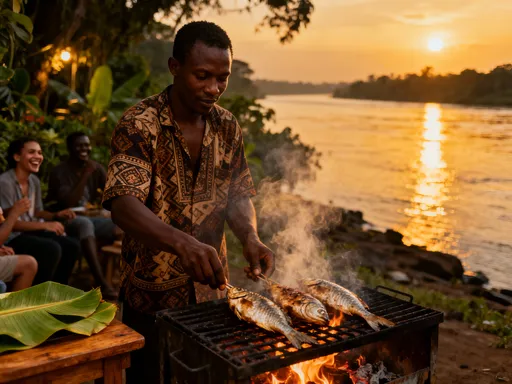
Water also defines leisure and economy. Marinas in Nyali and Port Reitz accommodate yachts and fishing boats, supporting both tourism and local livelihoods. Beachfront restaurants serve fresh kingfish, lobster, and octopus, often grilled over charcoal and served with kachumbari (a tomato and onion salad) and ugali (maize porridge). Fishing remains a key industry, with early-morning markets at places like Kongowea and Tudor showcasing the day’s catch. The rhythm of the tides dictates when boats depart and return, shaping the daily schedule of entire communities.
Even in densely populated areas, water finds its way into the urban fabric. Public fountains, decorative ponds, and rooftop water tanks are common sights, reflecting both practical needs and aesthetic choices. In residential compounds, swimming pools and water features add cooling relief during hot months. The presence of water—whether real or symbolic—brings a sense of calm and continuity to the city’s bustling energy.
Cultural Layers in the City’s Visual Language
Mombasa’s cityscape is not just built from stone and steel; it is painted with culture. Every street corner, public square, and marketplace tells a story of coexistence. The city is home to Muslims, Christians, Hindus, and people of various ethnic backgrounds, and this diversity is visible in its architecture, signage, and public art. Mosques with domes and minarets stand within blocks of Catholic churches and Hindu temples, their bells and calls to prayer marking the passage of time in harmony. Religious buildings are not hidden away; they are integral to the urban landscape, often adorned with intricate tile work, calligraphy, or ornate carvings that reflect their traditions.
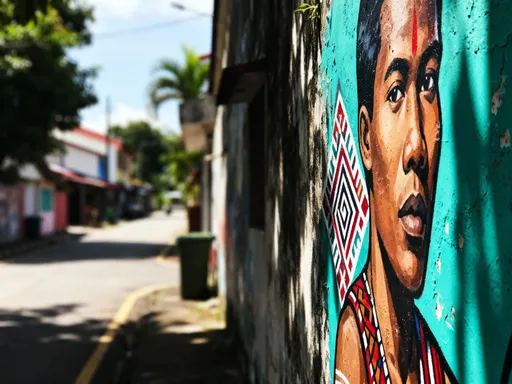
Markets are another canvas of cultural expression. The Arabi Market in the city center buzzes with activity, selling everything from perfumes and textiles to electronics and dried fish. Stalls are colorfully arranged, with fabrics draped like tapestries and spices piled in bright mounds. Signage appears in Swahili, English, Arabic, and sometimes Gujarati, reflecting the languages of Mombasa’s trading history. Street art, though not as widespread as in some global cities, is growing—murals celebrating Swahili heritage, environmental messages, and local heroes appear on walls in neighborhoods like Changamwe and Kisauni.
Color plays a powerful role in the city’s visual identity. Buildings are painted in vibrant hues—deep blues, terracotta reds, and sunflower yellows—that contrast beautifully with the azure sky and ocean. These choices are not arbitrary; they reflect cultural preferences, climatic adaptation (light colors reflect heat), and personal expression. Even modest homes often feature brightly painted doors or window frames, turning everyday spaces into small celebrations of life.
The city’s soundscape adds another layer. From the rhythmic beat of taarab music in Old Town cafes to the call of fruit vendors announcing mangoes and coconuts, Mombasa’s auditory environment is rich and ever-changing. Public spaces are alive with conversation, laughter, and the occasional blare of a matatu horn. This sensory tapestry makes the city feel dynamic, inclusive, and deeply human. It’s a place where tradition and modernity aren’t in conflict—they’re in conversation.
Best Vantage Points for Experiencing the Full View
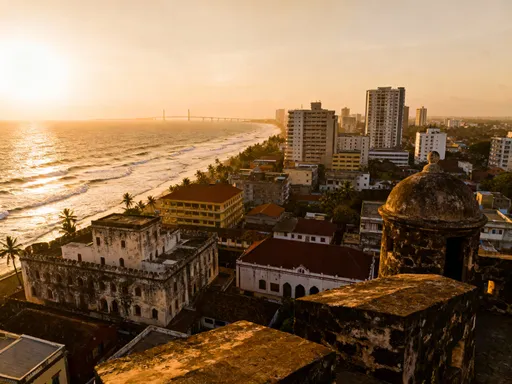
To truly appreciate Mombasa’s layered cityscape, one must seek out its vantage points—places where land, sea, and skyline converge into a single breathtaking panorama. Fort Jesus, a UNESCO World Heritage Site, offers one of the most comprehensive views. Perched on a coral ridge overlooking the Old Port, the 16th-century fort provides not only historical insight but also a sweeping perspective of the Indian Ocean, the mainland, and the city’s northern coastline. From its ramparts, visitors can trace the arc of Mombasa Island, spot dhows at anchor, and watch the daily ballet of ferries and cargo ships.
Another iconic spot is the lighthouse at Cape House, located near the city center. Though not always open to the public, the surrounding area offers elevated views, especially at dusk when the city begins to light up. The Nyali Bridge, particularly when viewed from the beach at sunset, presents a dramatic silhouette against the glowing horizon. Photographers and couples alike gather here for the golden-hour light that turns the water into liquid fire.
Rooftop cafes in Kilindini and Nyali provide more relaxed options. Places like The Glasshouse or Oceanic Restaurant serve coffee and seafood while offering unobstructed sea views. These spots are ideal for observing the city’s rhythm—watching the evening commute, seeing children fly kites on the beach, or spotting dolphins offshore. For a more active experience, the bicycle path along the Nyali coastline allows for a ground-level appreciation of the waterfront’s design and vitality.
When visiting these locations, timing matters. Early mornings offer soft light and fewer crowds, perfect for photography and quiet reflection. Late afternoons bring cooler temperatures and the magic of sunset. Travelers should bring water, wear light clothing, and respect local customs—such as covering shoulders when visiting religious sites or asking permission before photographing people. Most importantly, they should allow time to simply sit, observe, and absorb. Mombasa reveals itself slowly, rewarding patience with moments of unexpected beauty.
Why Mombasa’s Cityscape Deserves Global Attention
Mombasa’s cityscape is more than a collection of buildings and views—it is a living narrative of resilience, adaptation, and cultural synthesis. In an era when many cities homogenize under the pressure of global development, Mombasa stands out for its authenticity. It does not erase its past to make way for the future; it builds upon it. Colonial structures neighbor Swahili homes, modern malls coexist with open-air markets, and ancient trade routes still influence daily commerce. This layered identity is not chaotic; it is coherent in its complexity, a testament to a community that values both progress and heritage.
Compared to other coastal cities—whether Zanzibar’s Stone Town or Durban’s waterfront—Mombasa offers a uniquely balanced experience. It has the historical depth of a heritage site, the energy of a working port city, and the amenities of a modern urban center. Yet it remains accessible, affordable, and welcoming. Families stroll along the beach, entrepreneurs run small businesses from home, and fishermen continue age-old traditions—all within view of luxury hotels and international restaurants. This inclusivity is rare and precious.
The city’s relationship with water, its multicultural spirit, and its organic growth offer lessons for urban planners worldwide. In an age of climate uncertainty, Mombasa’s adaptation to tides and storms provides insight into resilient design. Its cultural harmony demonstrates how diversity can enrich, rather than divide, urban life. And its preservation of historic neighborhoods shows that modernization need not mean erasure.
Mombasa deserves global attention not because it is perfect, but because it is real. It doesn’t cater solely to tourists or investors; it serves its people first. Its cityscape is not a staged backdrop but a lived environment—messy, vibrant, and full of heart. To walk its streets is to witness a story still being written, one tide at a time. For anyone who believes that cities should reflect the lives of those who inhabit them, Mombasa is not just worth visiting—it’s worth celebrating.