Savor the Wild: Where Mendoza’s Mountains Meet Its Kitchens
Nestled at the edge of the Andes, Mendoza, Argentina, isn’t just about breathtaking landscapes—it’s a feast for the senses. I never expected that hiking through sunlit vineyards and dusty mountain trails would lead to some of the most unforgettable meals of my life. From rustic roadside empanadas to high-altitude wine paired with slow-cooked lamb, the connection between nature and food here is real, raw, and deeply satisfying. This is more than dining—it’s a journey. A journey where every bite tells a story of sun-drenched soil, glacial rivers, and generations of hands shaping the land. In Mendoza, flavor isn’t manufactured; it’s cultivated, harvested, and shared with pride.
The Pulse of the Land: How Mendoza’s Natural Beauty Fuels Its Flavors
Mendoza’s cuisine cannot be separated from its geography. Situated at the foothills of the Andes, this region is shaped by dramatic contrasts—snow-capped peaks, dry desert plains, and fertile valleys carved by ancient rivers. The air is thin, the sunlight intense, and the soil rich with minerals washed down from the mountains. These conditions create a unique environment where agriculture thrives in unexpected ways. The high altitude, often exceeding 3,000 feet above sea level, plays a crucial role in wine production, particularly Malbec. Cooler nights and strong daytime UV exposure allow grapes to ripen slowly, developing deep color, balanced acidity, and complex flavors that have made Mendoza wines world-renowned.
But wine is only one part of the story. The same conditions that benefit vineyards also enhance the quality of fruits, vegetables, and herbs grown in the region. Tomatoes burst with sweetness, peaches are juicier, and herbs like rosemary and oregano carry a more potent aroma due to the dry climate and abundant sunshine. Farmers rely on meltwater from the Andes, channeled through an ancient irrigation system known as acequias, to nourish their crops. This sustainable method has been used for centuries and continues to support small-scale farming across the province. As a result, many kitchens in Mendoza serve ingredients that are not only fresh but deeply connected to the land’s natural rhythms.
For visitors, this means meals that feel authentic and grounded. A simple salad might include lettuce grown just miles away, drizzled with locally pressed olive oil. A grilled vegetable platter could feature eggplant, zucchini, and peppers harvested the same morning. Even desserts often showcase regional produce—quince paste, fig preserves, or membrillo made from fruit grown in backyard orchards. The concept of terroir, often discussed in wine circles, extends far beyond the vineyard here. It is a lived experience, evident in every bite of food that reflects the air, water, and earth of Mendoza.
Beyond the Vineyard: Eating Through Mendoza’s Diverse Landscapes
While Mendoza’s Malbec vineyards draw international attention, the region’s culinary richness extends well beyond wine country. Travelers who venture into its varied ecosystems discover a mosaic of flavors shaped by distinct microclimates and terrain. One such area is the Uco Valley, a high-altitude region gaining recognition not only for premium wines but also for organic farming. Here, small farms cultivate everything from heirloom potatoes to artisanal honey, often using sustainable practices that honor the fragile mountain environment. The cool temperatures and clean air contribute to slower plant growth, resulting in produce with concentrated flavor and superior texture.
Further south, the Tulum Valley presents a drier, more rugged landscape. Its arid hills are home to hardy livestock, including goats and sheep that graze freely on native shrubs and wild herbs. This free-range lifestyle translates directly into the quality of dairy products, particularly goat cheese, which has a tangy, earthy character unique to the region. Local producers often age their cheeses in natural caves or ventilated huts, allowing them to develop complex profiles over time. These cheeses appear on tables across Mendoza, either served simply with bread and honey or incorporated into traditional dishes like pastelitos—flaky pastries filled with spiced cheese and herbs.
Near the Potrerillos Dam, where the Mendoza River cuts through red-rock canyons, riverside groves offer a different kind of bounty. Willows and poplars line the banks, creating shaded oases where families gather for weekend picnics. Trout farms operate in the cool, oxygen-rich waters, supplying fresh fish to nearby restaurants and markets. River trout, often grilled with lemon and garlic, is a staple of the local diet, especially among outdoor enthusiasts who spend their days hiking or rafting. Meals in this area tend to be simple and hearty, designed to replenish energy after hours spent in nature. The proximity of food sources to consumption points means minimal processing and maximum freshness, reinforcing the idea that in Mendoza, eating is an extension of living in harmony with the environment.
From Trail to Table: The Rise of Outdoor Dining Experiences
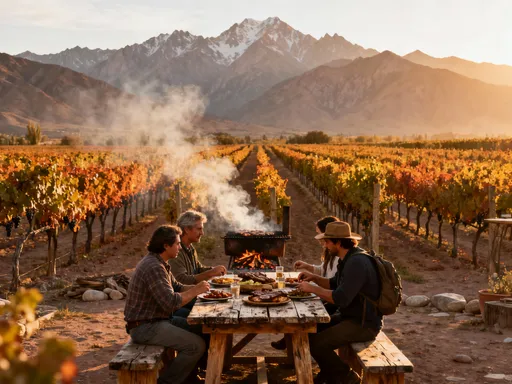
In recent years, Mendoza has seen a growing trend of immersive dining experiences that blend outdoor adventure with culinary delight. No longer confined to restaurants or winery tasting rooms, meals are now taking place in olive groves, mountain clearings, and riverside meadows. These al fresco events transform eating into a multisensory journey, where the crunch of gravel underfoot, the scent of wood smoke, and the golden glow of sunset all become part of the menu. One of the most beloved traditions is the post-ride asado—a communal barbecue often hosted after a horseback excursion through the Andean foothills. Riders dismount to find long wooden tables set beneath shade trees, laden with grilled meats, fresh salads, and bottles of local wine.
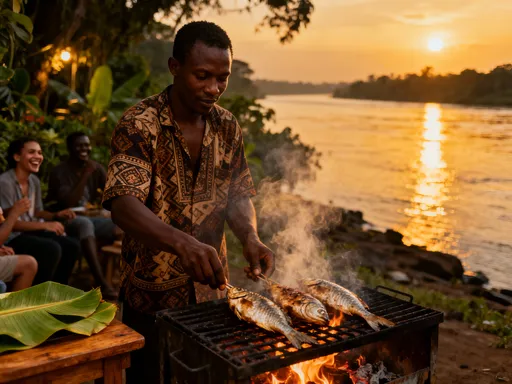
These gatherings are more than just meals; they are celebrations of rural life. The asado itself follows a time-honored ritual, with skilled cooks tending to wood-fired grills for hours, slow-roasting beef, sausages, and offal over glowing embers. The meat is seasoned simply—often with just salt and fire—to let the quality of the ingredient shine. Guests are encouraged to mingle, share stories, and savor each course at a leisurely pace. There is no rush, no formal service—just warmth, generosity, and the satisfaction of a meal earned through movement and exploration.
Other experiences include picnic-style tastings in olive orchards, where visitors sample different varieties of extra virgin oil alongside bread, cheese, and charcuterie. Some tours offer pop-up dinners under the stars, with chefs preparing multi-course meals in remote locations accessible only by 4x4 vehicles or hiking trails. These events emphasize seasonality and locality, using ingredients sourced from nearby farms or even foraged from the surrounding landscape. Diners might be served wild arugula with edible flowers, roasted root vegetables with thyme from a nearby slope, or a dessert of grilled peaches drizzled with local honey. Each dish tells a story of place, reinforcing the deep connection between what grows in the soil and what ends up on the plate.
Meet the Makers: Farmers, Winemakers, and the People Behind the Plate
At the heart of Mendoza’s food culture are the people who work the land with care and commitment. Many of them come from families that have farmed these valleys for generations, passing down knowledge through oral tradition and daily practice. One such family runs a small estancia in the Uco Valley, where they raise grass-fed cattle and grow organic vegetables for their own kitchen and local markets. They welcome visitors for guided tours, offering hands-on experiences like milking goats, collecting eggs, or helping harvest potatoes. Their meals are served family-style, often around a long wooden table under a pergola covered in climbing vines. There is no menu—just whatever is ripe, ready, and abundant that day.
Another example is a fourth-generation olive oil producer in the Maipú district, where centuries-old trees produce fruit with a peppery finish and grassy aroma. The family presses their olives within hours of harvest, ensuring maximum freshness and nutritional value. Visitors can walk among the groves, learn about pruning techniques, and participate in the milling process during the annual harvest in late autumn. Tastings are educational, with comparisons between early- and late-harvest oils, and suggestions for pairing with regional dishes. Their dedication to quality has earned recognition in international competitions, yet they remain rooted in modest, sustainable practices.
Winegrowers in high-altitude zones like Gualtallary also play a vital role in shaping Mendoza’s culinary identity. At elevations above 4,000 feet, these vineyard owners face challenges such as frost, strong winds, and limited access to water. Yet they persist, driven by a belief that the resulting wines are worth the effort. Many open their doors to guests, offering not just tastings but full immersion experiences—walking the rows, tasting grapes straight from the vine, and learning about biodynamic farming methods. Some pair their wines with small bites prepared in outdoor kitchens, creating moments of connection between grower, grape, and guest. These interactions foster a deeper appreciation for the labor and love behind every bottle.
What to Eat (and Where to Find It): A Practical Guide to Mendoza’s Natural Eateries
For travelers eager to explore Mendoza’s food landscape, knowing where and what to eat enhances the journey. Roadside stands, often marked by simple signs or clusters of parked cars, are excellent places to try empanadas made with local ingredients. Look for those filled with goat meat seasoned with cumin and paprika, or spinach and cheese wrapped in a flaky, golden crust. These handheld meals are perfect for refueling after a morning hike or before setting out on a bike trail. Many are sold at farm gates or near trailheads, emphasizing their connection to the surrounding land.
Communal asados are another must-experience tradition. These gatherings are frequently organized by tour operators or rural inns and typically require advance booking. They usually begin with a morning activity—such as horseback riding, mountain biking, or a nature walk—followed by the barbecue in the late afternoon. Participation is encouraged; guests may be invited to help prepare salads, toast bread over the fire, or pour wine for fellow diners. The atmosphere is warm and inclusive, ideal for solo travelers or families seeking authentic cultural exchange.
For a more structured experience, farm-to-table dinners offer curated menus based on seasonal availability. These events are often hosted on working farms or in secluded natural settings and may include wine pairings, live music, or storytelling. Reservations are essential, especially during peak seasons like harvest time (February to April) or spring (September to November). Travelers should also visit local markets in towns like Chacras de Coria or Tupungato, where farmers sell fresh produce, homemade cheeses, and preserved goods. Early arrival ensures the best selection, and friendly vendors are usually happy to share cooking tips or recipe ideas.
Seasonality plays a key role in what’s available. Summer brings stone fruits, tomatoes, and basil, while autumn offers pumpkins, apples, and grapes. Winter sees heartier dishes—stews, baked pastas, and roasted meats—reflecting the colder temperatures. Spring ushers in tender greens, wild herbs, and the first harvest of asparagus. By aligning travel plans with these cycles, visitors gain a deeper understanding of how nature dictates the rhythm of Mendoza’s kitchen.
How to Plan Your Own Food-Focused Adventure in the Wild
Creating a fulfilling food and nature itinerary in Mendoza requires thoughtful planning but offers immense rewards. The best times to visit are during the shoulder seasons—spring (September to November) and early autumn (March to May)—when temperatures are mild, crowds are smaller, and agricultural activity is in full swing. Harvest season, in particular, offers unique opportunities to engage with winemakers and farmers during one of their busiest and most joyful periods.
Transportation is key to accessing Mendoza’s diverse landscapes. While public buses connect major towns, renting a car provides greater flexibility, especially for reaching remote farms, trailheads, and rural eateries. Alternatively, guided tours led by local operators can simplify logistics while ensuring access to exclusive experiences. Many specialize in culinary tourism, combining tastings, farm visits, and outdoor activities into seamless itineraries. Biking tours through vineyards or along river paths are increasingly popular, allowing travelers to cover distance while staying active and immersed in the scenery.
When structuring a daily schedule, balance is important. Begin mornings with physical activity—hiking, horseback riding, or cycling—followed by a late breakfast or lunch featuring local ingredients. Afternoons can be dedicated to visiting markets, attending workshops (such as olive oil or cheese making), or relaxing at a winery. Evenings are ideal for special dining events, whether a private asado or a starlit pop-up dinner. Staying in rural accommodations—such as boutique estancias or eco-lodges—enhances the connection to nature and often includes home-cooked meals prepared with garden-fresh ingredients.
Travelers should also consider sustainability. Choosing experiences that support small producers, minimize environmental impact, and respect local traditions contributes to the long-term vitality of the region. Carrying reusable water bottles, avoiding single-use plastics, and tipping generously at family-run establishments are small acts that make a difference. By traveling mindfully, visitors help preserve the very qualities that make Mendoza so special.
Why This Matters: The Future of Travel That Feeds the Soul
Mendoza offers more than scenic views and delicious meals—it presents a model for meaningful, soul-nourishing travel. In a world where tourism can sometimes feel transactional or superficial, this region reminds us that true connection comes from engagement with people, place, and process. Eating food grown in mountain soil, learning from those who cultivate it, and sharing meals in the open air creates lasting memories and deep respect. It shifts the focus from consumption to appreciation, from sightseeing to sensing.
This kind of travel also supports preservation. When visitors value local ingredients, traditional methods, and natural landscapes, they contribute to the economic and cultural sustainability of rural communities. Family farms remain viable, ancestral knowledge is honored, and ecosystems are protected because they are seen not just as resources but as sources of identity and pride. In Mendoza, conservation and cuisine go hand in hand, each reinforcing the other in a cycle of care and celebration.
Ultimately, the journey from trail to table is about rediscovering simplicity and authenticity. It invites us to slow down, to savor, and to recognize the effort behind every meal. It teaches gratitude—for clean water, fertile soil, skilled hands, and shared moments. As more travelers seek experiences that nourish both body and spirit, Mendoza stands as a shining example of how food and nature can come together to create something profoundly beautiful. So pack your bag, lace up your boots, and come with an open heart. Let the mountains feed your eyes, the air fill your lungs, and the table welcome you home.